
I offer clinical supervision for Play and Creative Arts Therapists, alongside professional consultation for therapists and allied professionals seeking reflective space around their work with Neurodivergent clients..
Supervision, for me, is not about performance or evaluation. It is a collaborative space where complexity can be explored honestly and thoughtfully. My approach is relational, neuroaffirming, and grounded in an understanding that therapeutic work unfolds within systems, power dynamics, and lived experience.
What is Supervision?
Clinical supervision provides a structured, ethically grounded space for therapists to reflect on their practice, relationships, and professional development. Within this space, we explore client work, relational dynamics, uncertainty, and the emotional impact of the work itself.
My supervisory approach prioritises reflection over correction. Rather than offering prescriptive answers, I work collaboratively with supervisees to deepen understanding, consider context, and think critically about inherited frameworks and their application in real therapy rooms.
Supervision can support both professional accountability and personal reflection, recognising that the therapist’s presence is always part of the work.
Consultation
In addition to formal clinical supervision for Play and Creative Arts Therapists, I offer consultation spaces for professionals from related disciplines who are seeking reflective dialogue around Neurodivergent clients.
Consultation is not regulatory supervision. Instead, it offers space to think through complexity, capacity, relational tensions, and neuroaffirming adaptations in a way that feels collaborative and grounded.
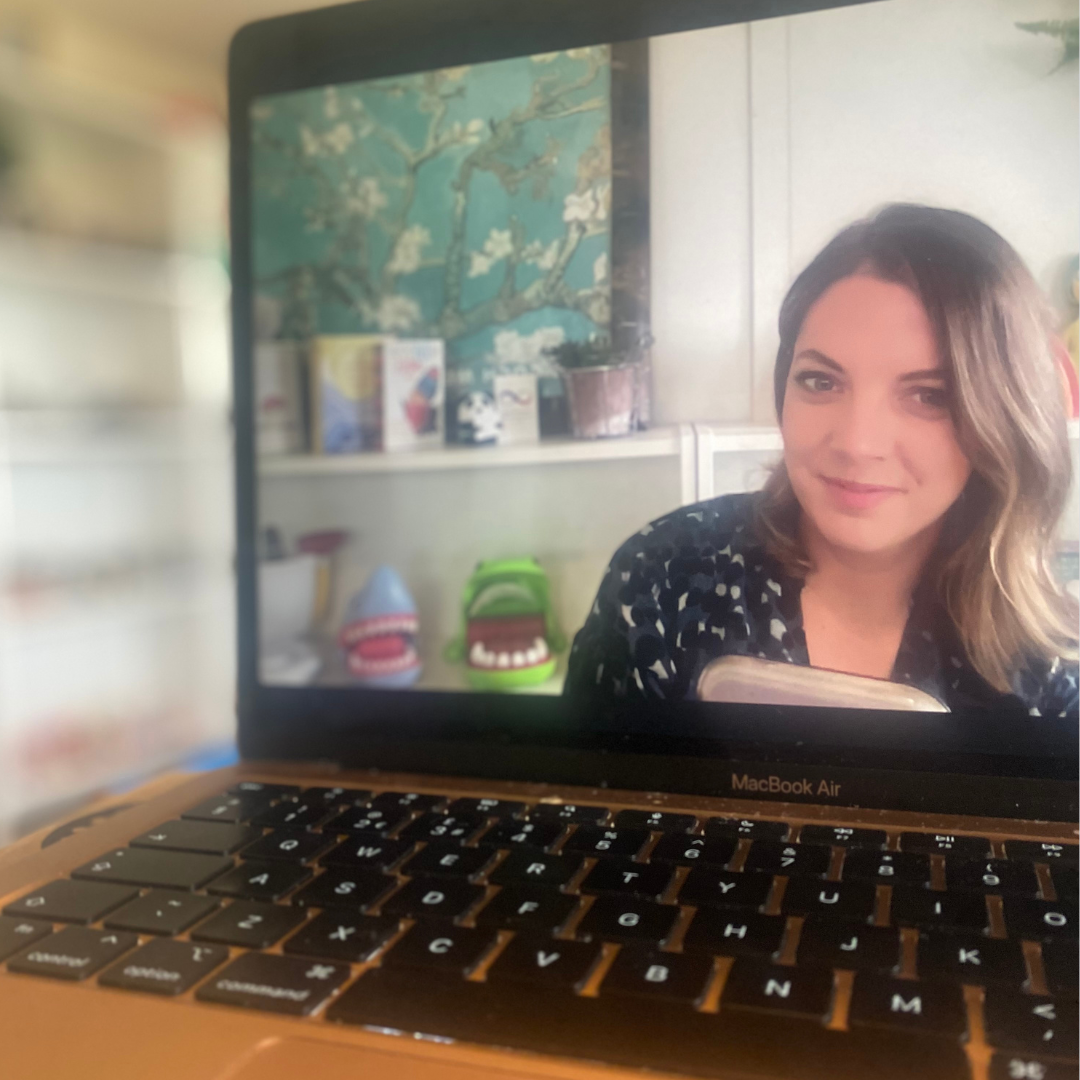
My Neuroaffirming Approach to Supervision
I approach supervision through a neuroaffirming and nervous-system-informed lens. This means holding awareness of masking, burnout, power dynamics, developmental difference, and the systemic contexts shaping both therapist and client experience.
Whether you are Neurodivergent yourself, working with Neurodivergent clients, or both, supervision becomes a space to reflect on identity, capacity, and the realities of practising within systems that are not always affirming.
Areas we may explore are:
- Reflective practice: Exploring relational dynamics, countertransference, capacity, and the emotional impact of clinical work.
- Neuroaffirming frameworks: Critically examining dominant models and adapting them in ways that better hold Neurodivergent experience.
- Therapist capacity and sustainability: Considering nervous system load, burnout, pacing, and how to practise in ways that remain ethical and sustainable.
- Ethical and systemic tensions: Holding dilemmas, power imbalances, and institutional pressures with nuance rather than simplification.
What Supervision Can Offer
Rather than promising outcomes, supervision creates conditions where therapists can experience:
- Greater clarity: A deeper understanding of client dynamics, context, and therapeutic direction..
- Professional steadiness: Space to hold uncertainty without rushing toward premature certainty.
- Sustainable practice: Reflection on workload, boundaries, and nervous system capacity.
- Aligned frameworks: Language and approaches that feel congruent with Neurodivergent lived experience
What to Expect
Supervision sessions are collaborative and shaped by your context, caseload, and professional stage. I offer ongoing supervision for Play and Creative Arts Therapists, as well as ad hoc consultation for professionals seeking space to reflect on specific cases or themes.
Sessions include time to reflect on client work, relational dynamics, ethical considerations, and therapist wellbeing. My intention is to create a space that feels grounded, thoughtful, and responsive – one where complexity can be explored without pressure to perform competence.
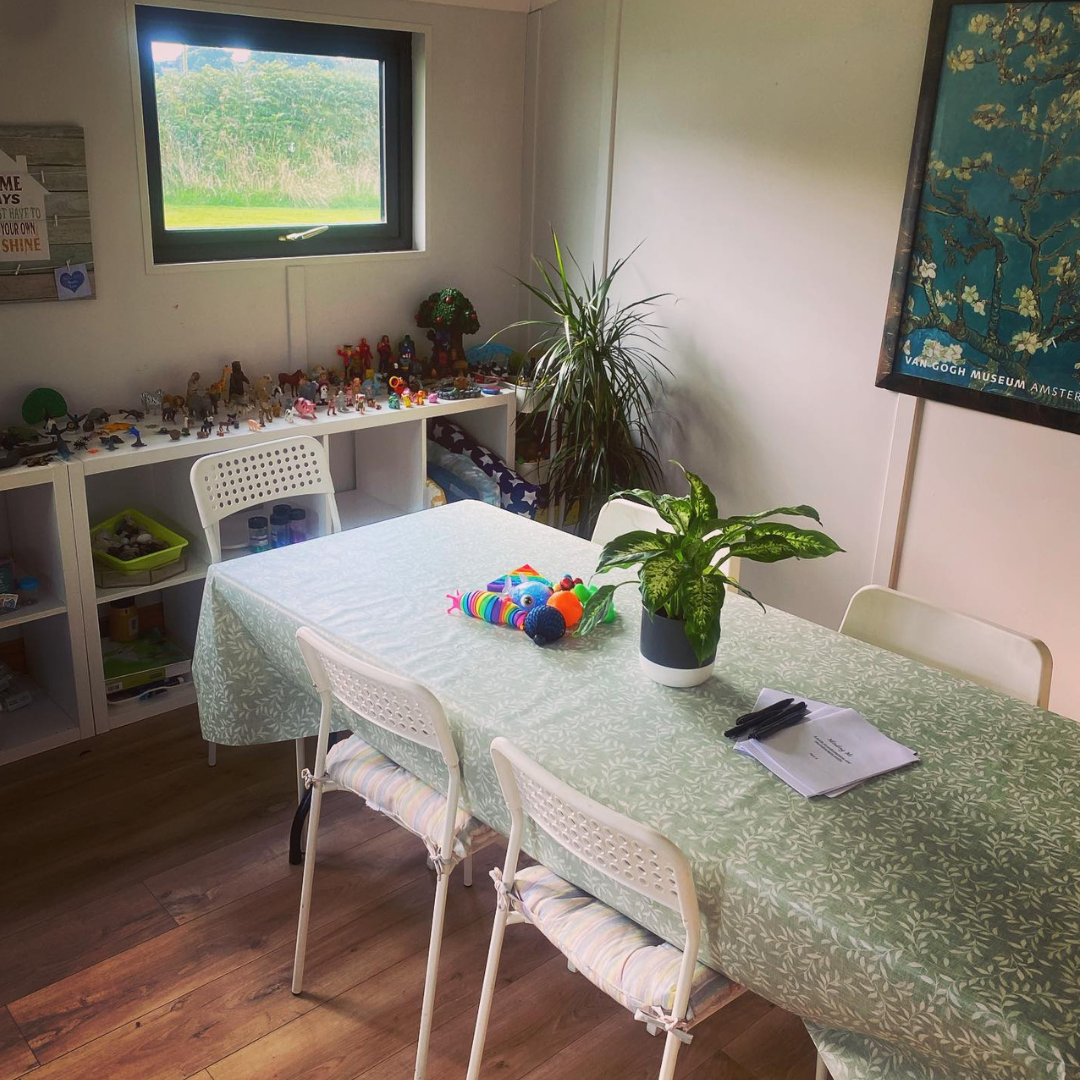
Is Supervision or Consultation Right for You?
This space may be supportive if you are:
- A Play or Creative Arts Therapist seeking clinical supervision
- A therapist or allied professional wanting consultation around Neurodivergent clients
- Exploring neuroaffirming adaptations to your practice
- Holding complexity, burnout, or systemic tension in your work
- Wanting a reflective space that prioritises nuance over prescription
If this approach feels aligned, you are welcome to reach out to explore availability and next steps.


